A majority of Drug Enforcement Administration compliance veterinary concerns stem from the fear of a surprise DEA visit. Unannounced DEA inspections are a reality and often seem to occur when you least expect it. By agreeing to DEA “Terms and Conditions” during registration processes, you are consenting to DEA reviews and inspections of controlled substance inventory, operations, and associated records at your DEA-registered location at any time. According to Title 21 Code of Federal Regulations and Section 880 of the Controlled Substances Act, the DEA has the right to conduct inspections and checks of DEA-registered locations at random, and the DEA is not required to provide any notice for when these visits may take place.
Fear of a surprise DEA inspection keeps many veterinary professionals awake at night. As a DEA registrant, the potential for a surprise visit from the DEA is unavoidable. While there is no “cure” to make DEA inspections go away, there is a treatment plan, and the prescription is twofold:
- Understanding what your responsibilities as a DEA registrant are; and
- Implementing tools that support a system of checks and balances to help you maintain ongoing controlled substance compliance.
By understanding what DEA inspections involve and how to prepare can reduce confusion and help practices stay compliant.
Audits v. Inspections
The terms “audit” and “inspection” are sometimes mistakenly used interchangeably when referring to DEA visits; however, they are not synonymous processes and it is important to understand the difference:
- DEA inspections are routine visits that primarily involve reviewing records and security measures to ensure registrants are adhering to regulatory requirements. DEA inspections are typically conducted as part of the registration approval process and follow-up inspections are routinely executed at DEA-registered premises.
- DEA audits are a more in-depth review, focused on the accountability of controlled substances. Audits can be random or triggered by information the DEA is made aware of through a variety of sources. If a DEA registrant is found to be non-compliant following an inspection or audit, resulting consequences can range from formal warnings and corrective action to fines, suspension or revocation of registration, and in some circumstances criminal prosecution and long-term imprisonment.
DEA Inspections in Veterinary Medicine
In most cases, when the DEA shows up unexpectedly it will be to evaluate how well the DEA registrant of record is adhering to federal controlled substance regulations by conducting an inspection. DEA inspections are commonly executed as part of due diligence following submission of a new DEA registration application for approval. Random DEA inspection check-ins are common as well.
During a DEA inspection, the scope of on-site activities is routine and straight forward; consisting of reviewing records and security controls to verify overall compliance. While inspection processes can vary, during a DEA inspection you should be ready to provide documentation and/or access to and review of the following upon request:
- The most recently completed DEA biennial inventory (original and fully executed).
- All DEA-required documentation and controlled substance records for the current two-year period in a “readily retrievable” manner.
- Access to controlled substance storage areas (active stock, backstock, expired, and any refrigerated controlled substances).
- Existing waste, disposal, and destruction systems in place; including third-party service provider contracts and equipment used on-site for inspection.
- Physical security and access controls (alarm monitoring systems, security camera systems etc.).
In addition to evaluating physical controlled substance inventory and associated records, the DEA may ask to review any controlled substance employee education and training currently in place, as well as standard operating procedures. While these items are not specifically required in federal regulations, whether or not you have implemented them can go a long way in showing good faith to provide effective controls and procedures to guard against theft and diversion of controlled substances as required under 21 CFR 1301.71(a).
Remember, the DEA conducts inspections and evaluates the compliance of operations according to the specific activities a DEA registrant is registered to perform. Veterinarians operating under a DEA practitioner registration are subject to the same standards as human healthcare practitioners. Differences in the types of operational workflows and patients treated do not change the DEA’s expectation in terms of adherence to compliance standards.
What Triggers a DEA Visit
The DEA does not publicly release information about how registrants are selected for on-site visits. If you practice in a state wherein the rate of opioid prescriptions dispensed per 100 persons by dosage and type exceed the national average you may be more susceptible to a visit from the DEA. The DEA uses a numeric data-driven approach when identifying and prioritizing facilities to visit; therefore, high volume prescribing physicians and facilities ordering within states that fall within this statistic may be more likely to receive a DEA inspection or audit. Current states under particular scrutiny in this area are Arkansas, Alabama, West Virginia, Mississippi and Louisiana.
DEA Compliance Readiness Checklist
The DEA does not publish inspection and audit checklists. Every DEA registrant is responsible for understanding the responsibilities that come with the privilege of holding a DEA registration and adhering to federal requirements.
Just as there is no cure to eliminate DEA inspections, there is no checklist that will guarantee you pass a DEA inspection successfully. Checklists are also not “one size fits all”. Every veterinary hospital has its own systems and workflows; therefore, your DEA checklist should address DEA compliance requirements against the specific controlled substance activities being executed.
An effective approach to developing a DEA inspection readiness checklist is one that is clear and consistent with the foundational elements of DEA regulations rooted in:
- Security Controls & Diversion Prevention: Providing effective controls and procedures to guard against theft and diversion of controlled substances.
- Recordkeeping: Maintaining complete and accurate records on-site at the DEA-registered location in a “readily retrievable” manner, available for review for the current two-year period.
Creating Your DEA Compliance Checklist
Review each aspect of your controlled substance activities through the lenses of physical security/access controls that prevent diversion in addition to how required documentation is being maintained. Checklists can be created for specific departments, roles/titles, shifts- whatever is most effective for your team to ensure that compliance requirements are consistently being met. Remember that what works for one veterinary hospital may not necessarily work for another.
A robust DEA compliance checklist should address areas the DEA evaluates on-site, including, but not limited to:
- DEA registration and state licensing.
- Maintenance of all required records in a “readily retrievable” manner (do not forget separation requirements).
- Completion of biennial inventory (as well as any other applicable DEA inventories).
- Complete and accurate controlled substance logs (active stock, backstock, and any expired stock awaiting destruction).
- Effective physical security and access controls.
- Proper documentation for authorized personnel and any individuals with power of attorney.
- Documentation for all controlled substance waste, destruction and disposal.
Where Veterinary Hospitals Most Often Fall Short
Failing to manage DEA compliance as an ongoing part of operations that are consistently maintained is where many veterinary hospitals fall short. DEA compliance readiness is not a one-time task to complete, it must be continually maintained and attended to. Successfully passing a DEA inspection has less to do with the inspection itself and everything to do with how well your existing systems and processes have been reinforcing ongoing maintenance that support adherence to DEA requirements.
Poor recordkeeping is one of the most commonly cited DEA violations for a reason. If your controlled substance records (which must be available for review upon request) are not complete and accurate, you are less likely to have a positive inspection experience. Recordkeeping Failing to reconcile inventory on a regular basis, neglecting to update usage logs promptly, or storing controlled drugs in unsecured areas can all lead to audit findings.
Failing to implement controlled substance processes and procedures is common in veterinary operations. While DEA regulations do not specifically require registrants to create standard operation procedures, neglecting to do so is a leading contributor of compliance gaps, mistakes, inaccuracies and fragmented operational workflows. A step-by-step, systematic approach is one of the most effective ways to reinforce consistent and accurate compliance processes. Staff need a “roadmap” to help guide them in successfully performing controlled substance activities.
How Automation Supports DEA Inspection Success
Automated inventory tracking systems that integrate controlled substance management can help ensure that DEA-required records are consistent, current and accurate. Automated logs and reporting help reduce time spent on manual logging systems and provide real-time, accurate inventory insights.
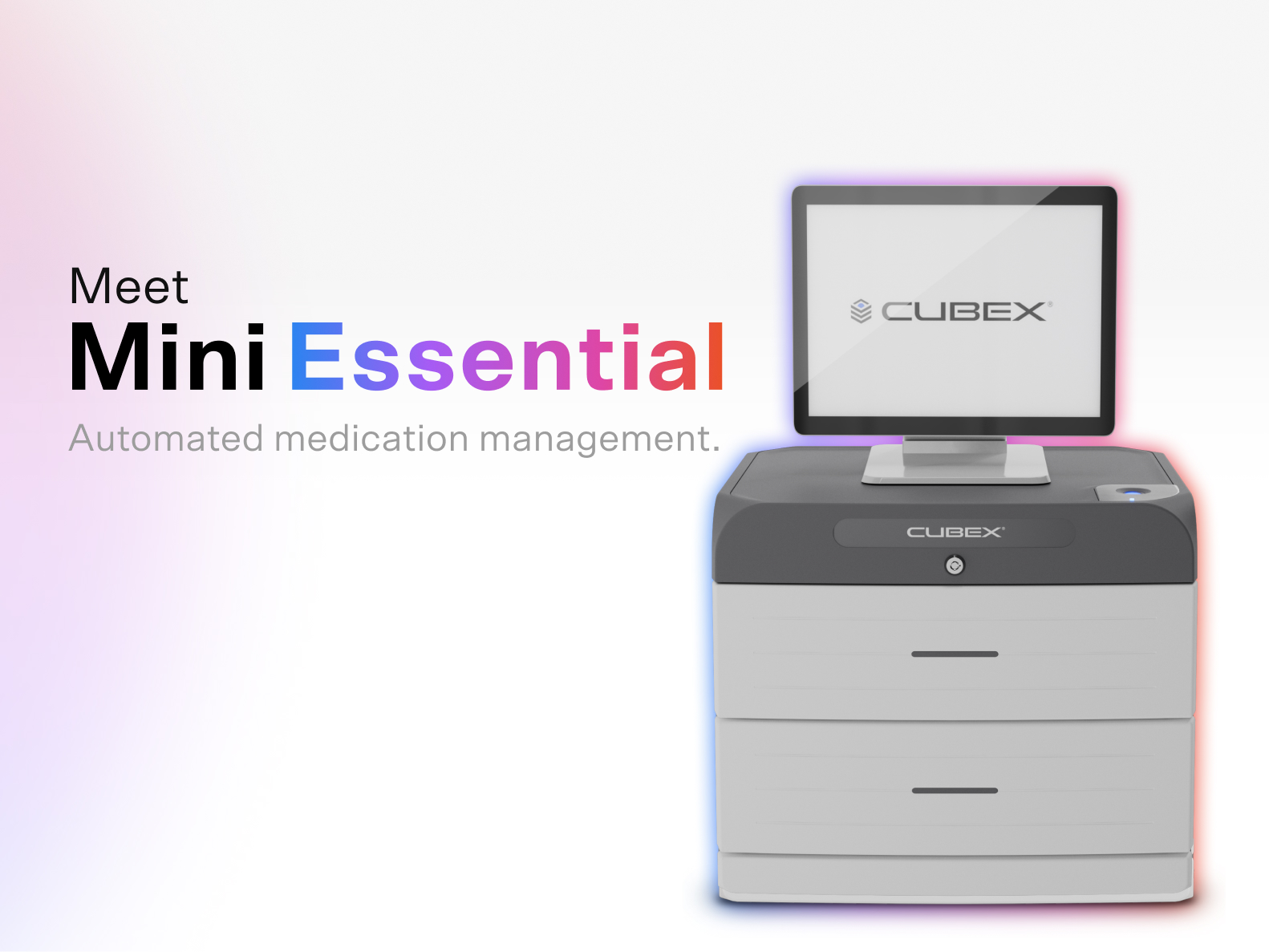
CUBEX offers a variety of automated inventory solutions for veterinary hospitals looking to reduce manual logging processes and improve overall visibility into controlled substance inventory and activity. Electronic logging ensures that controlled substance transactions are recorded in real-time, and biometric user access controls enhance security and accountability, all of which promote DEA inspection readiness.
Preparing Your Team Before A DEA Inspection
Instead of worrying about whether the DEA will show up, shift from a state of worry to one of proactivity. Make DEA compliance a priority and begin evaluating controlled substance operations internally on a regular basis to ensure preparedness if the DEA comes knocking. Review existing operations and systems by asking some of the following example questions:
- Are controlled substance inventory logs properly maintained, accurate, complete, and consistently balancing out?
- Is expired inventory being sent to a DEA-registered reverse distributor controlled substances so that an official Certificate of Destruction is maintained within records?
- Does existing inventory meet DEA controlled drug storage requirements as well as any additionally applicable, more stringent state storage requirements?
Successful DEA preparedness must go beyond recordkeeping and security controls and also extend to preparing your team. Employees need to be properly educated and trained not only on regulatory requirements but also on how to compliantly perform controlled substance activities. While not mandated, standard operating procedures that detail how to perform controlled substance activities are highly recommended to ensure consistency and accuracy. As a best practice, standard operating procedures covering protocols for personnel in the event of a DEA or state board inspection are also strongly suggested and can make surprise regulatory visits less stressful.
While the DEA may not “require” you to implement a compliance checklist, making the decision to create one to support overall compliance in controlled substance activities is a proactive decision that, when developed and implemented properly, can significantly benefit overall DEA compliance management.
Create a checklist that works for specific controlled substance activities in your operations. Implement them and utilize them regularly to identify potential issues and/or challenges early.
Preparation + proactivity = prevention.

Kelley Detweiler is a DEA and controlled substance regulatory compliance specialist who provides solutions to veterinarians through her partnership with Dr. Peter Weinstein in Simple Solutions 4 Vets. She is the DEA compliance CE provider for the American Veterinary Medical Association (AVMA), the co-author of Safeguarding Controlled Substances, published by AAHA Press, and the 2024 recipient of the Illinois State Veterinary Medical Association’s President’s Award.
About CUBEX
CUBEX is an automated inventory management platform for veterinary hospitals. Combining secure smart devices with purpose-built software, CUBEX tracks every dispense in real time, supports controlled substance compliance, reduces waste and stockouts, and streamlines replenishment through connected workflows, including integrations with leading PIMS and supplier ordering platforms. The result is less manual work, better inventory control, and more time back for veterinary teams. Learn more →

A majority of Drug Enforcement Administration compliance veterinary concerns stem from the fear of a surprise DEA visit. Unannounced DEA inspections are a reality and often seem to occur when you least expect it. By agreeing to DEA “Terms and Conditions” during registration processes, you are consenting to DEA reviews and inspections of controlled substance inventory, operations, and associated records at your DEA-registered location at any time. According to Title 21 Code of Federal Regulations and Section 880 of the Controlled Substances Act, the DEA has the right to conduct inspections and checks of DEA-registered locations at random, and the DEA is not required to provide any notice for when these visits may take place.
Fear of a surprise DEA inspection keeps many veterinary professionals awake at night. As a DEA registrant, the potential for a surprise visit from the DEA is unavoidable. While there is no “cure” to make DEA inspections go away, there is a treatment plan, and the prescription is twofold:
- Understanding what your responsibilities as a DEA registrant are; and
- Implementing tools that support a system of checks and balances to help you maintain ongoing controlled substance compliance.
By understanding what DEA inspections involve and how to prepare can reduce confusion and help practices stay compliant.
Audits v. Inspections
The terms “audit” and “inspection” are sometimes mistakenly used interchangeably when referring to DEA visits; however, they are not synonymous processes and it is important to understand the difference:
- DEA inspections are routine visits that primarily involve reviewing records and security measures to ensure registrants are adhering to regulatory requirements. DEA inspections are typically conducted as part of the registration approval process and follow-up inspections are routinely executed at DEA-registered premises.
- DEA audits are a more in-depth review, focused on the accountability of controlled substances. Audits can be random or triggered by information the DEA is made aware of through a variety of sources. If a DEA registrant is found to be non-compliant following an inspection or audit, resulting consequences can range from formal warnings and corrective action to fines, suspension or revocation of registration, and in some circumstances criminal prosecution and long-term imprisonment.
DEA Inspections in Veterinary Medicine
In most cases, when the DEA shows up unexpectedly it will be to evaluate how well the DEA registrant of record is adhering to federal controlled substance regulations by conducting an inspection. DEA inspections are commonly executed as part of due diligence following submission of a new DEA registration application for approval. Random DEA inspection check-ins are common as well.
During a DEA inspection, the scope of on-site activities is routine and straight forward; consisting of reviewing records and security controls to verify overall compliance. While inspection processes can vary, during a DEA inspection you should be ready to provide documentation and/or access to and review of the following upon request:
- The most recently completed DEA biennial inventory (original and fully executed).
- All DEA-required documentation and controlled substance records for the current two-year period in a “readily retrievable” manner.
- Access to controlled substance storage areas (active stock, backstock, expired, and any refrigerated controlled substances).
- Existing waste, disposal, and destruction systems in place; including third-party service provider contracts and equipment used on-site for inspection.
- Physical security and access controls (alarm monitoring systems, security camera systems etc.).
In addition to evaluating physical controlled substance inventory and associated records, the DEA may ask to review any controlled substance employee education and training currently in place, as well as standard operating procedures. While these items are not specifically required in federal regulations, whether or not you have implemented them can go a long way in showing good faith to provide effective controls and procedures to guard against theft and diversion of controlled substances as required under 21 CFR 1301.71(a).
Remember, the DEA conducts inspections and evaluates the compliance of operations according to the specific activities a DEA registrant is registered to perform. Veterinarians operating under a DEA practitioner registration are subject to the same standards as human healthcare practitioners. Differences in the types of operational workflows and patients treated do not change the DEA’s expectation in terms of adherence to compliance standards.
What Triggers a DEA Visit
The DEA does not publicly release information about how registrants are selected for on-site visits. If you practice in a state wherein the rate of opioid prescriptions dispensed per 100 persons by dosage and type exceed the national average you may be more susceptible to a visit from the DEA. The DEA uses a numeric data-driven approach when identifying and prioritizing facilities to visit; therefore, high volume prescribing physicians and facilities ordering within states that fall within this statistic may be more likely to receive a DEA inspection or audit. Current states under particular scrutiny in this area are Arkansas, Alabama, West Virginia, Mississippi and Louisiana.
DEA Compliance Readiness Checklist
The DEA does not publish inspection and audit checklists. Every DEA registrant is responsible for understanding the responsibilities that come with the privilege of holding a DEA registration and adhering to federal requirements.
Just as there is no cure to eliminate DEA inspections, there is no checklist that will guarantee you pass a DEA inspection successfully. Checklists are also not “one size fits all”. Every veterinary hospital has its own systems and workflows; therefore, your DEA checklist should address DEA compliance requirements against the specific controlled substance activities being executed.
An effective approach to developing a DEA inspection readiness checklist is one that is clear and consistent with the foundational elements of DEA regulations rooted in:
- Security Controls & Diversion Prevention: Providing effective controls and procedures to guard against theft and diversion of controlled substances.
- Recordkeeping: Maintaining complete and accurate records on-site at the DEA-registered location in a “readily retrievable” manner, available for review for the current two-year period.
Creating Your DEA Compliance Checklist
Review each aspect of your controlled substance activities through the lenses of physical security/access controls that prevent diversion in addition to how required documentation is being maintained. Checklists can be created for specific departments, roles/titles, shifts- whatever is most effective for your team to ensure that compliance requirements are consistently being met. Remember that what works for one veterinary hospital may not necessarily work for another.
A robust DEA compliance checklist should address areas the DEA evaluates on-site, including, but not limited to:
- DEA registration and state licensing.
- Maintenance of all required records in a “readily retrievable” manner (do not forget separation requirements).
- Completion of biennial inventory (as well as any other applicable DEA inventories).
- Complete and accurate controlled substance logs (active stock, backstock, and any expired stock awaiting destruction).
- Effective physical security and access controls.
- Proper documentation for authorized personnel and any individuals with power of attorney.
- Documentation for all controlled substance waste, destruction and disposal.
Where Veterinary Hospitals Most Often Fall Short
Failing to manage DEA compliance as an ongoing part of operations that are consistently maintained is where many veterinary hospitals fall short. DEA compliance readiness is not a one-time task to complete, it must be continually maintained and attended to. Successfully passing a DEA inspection has less to do with the inspection itself and everything to do with how well your existing systems and processes have been reinforcing ongoing maintenance that support adherence to DEA requirements.
Poor recordkeeping is one of the most commonly cited DEA violations for a reason. If your controlled substance records (which must be available for review upon request) are not complete and accurate, you are less likely to have a positive inspection experience. Recordkeeping Failing to reconcile inventory on a regular basis, neglecting to update usage logs promptly, or storing controlled drugs in unsecured areas can all lead to audit findings.
Failing to implement controlled substance processes and procedures is common in veterinary operations. While DEA regulations do not specifically require registrants to create standard operation procedures, neglecting to do so is a leading contributor of compliance gaps, mistakes, inaccuracies and fragmented operational workflows. A step-by-step, systematic approach is one of the most effective ways to reinforce consistent and accurate compliance processes. Staff need a “roadmap” to help guide them in successfully performing controlled substance activities.
How Automation Supports DEA Inspection Success
Automated inventory tracking systems that integrate controlled substance management can help ensure that DEA-required records are consistent, current and accurate. Automated logs and reporting help reduce time spent on manual logging systems and provide real-time, accurate inventory insights.
CUBEX offers a variety of automated inventory solutions for veterinary hospitals looking to reduce manual logging processes and improve overall visibility into controlled substance inventory and activity. Electronic logging ensures that controlled substance transactions are recorded in real-time, and biometric user access controls enhance security and accountability, all of which promote DEA inspection readiness.
Preparing Your Team Before A DEA Inspection
Instead of worrying about whether the DEA will show up, shift from a state of worry to one of proactivity. Make DEA compliance a priority and begin evaluating controlled substance operations internally on a regular basis to ensure preparedness if the DEA comes knocking. Review existing operations and systems by asking some of the following example questions:
- Are controlled substance inventory logs properly maintained, accurate, complete, and consistently balancing out?
- Is expired inventory being sent to a DEA-registered reverse distributor controlled substances so that an official Certificate of Destruction is maintained within records?
- Does existing inventory meet DEA controlled drug storage requirements as well as any additionally applicable, more stringent state storage requirements?
Successful DEA preparedness must go beyond recordkeeping and security controls and also extend to preparing your team. Employees need to be properly educated and trained not only on regulatory requirements but also on how to compliantly perform controlled substance activities. While not mandated, standard operating procedures that detail how to perform controlled substance activities are highly recommended to ensure consistency and accuracy. As a best practice, standard operating procedures covering protocols for personnel in the event of a DEA or state board inspection are also strongly suggested and can make surprise regulatory visits less stressful.
While the DEA may not “require” you to implement a compliance checklist, making the decision to create one to support overall compliance in controlled substance activities is a proactive decision that, when developed and implemented properly, can significantly benefit overall DEA compliance management.
Create a checklist that works for specific controlled substance activities in your operations. Implement them and utilize them regularly to identify potential issues and/or challenges early.
Preparation + proactivity = prevention.